


Understanding the Role and Importance of a Dust Collector & Extractor System in Industrial Settings
- Emma Smith
- Feb 14, 2024
- 3 min read

Have you ever wondered how busy manufacturing plants keep their environments clean and free from harmful pollutants? Or how equipment in these factories continue to function optimally, despite the vast number of dust particles that could potentially clog their machinery? The unsung hero often working behind the scenes in such situations is the industrial dust collector. This blog post focuses on defining what dust collectors are, exploring their critical roles, and understanding their importance in industrial settings.
Dust collectors are intricate machines, weaved seamlessly into the designs of many industrial settings, with the primary goal of safeguarding plant workers and machinery. From keeping work environments clean to ensuring machinery operates without hiccups - these devices have a massive impact on daily operations, often unknown to many laymen.
Through this article, join us on a journey as we delve deeply into this fascinating mechanical marvel - shedding light on its significant contributions to our modern industrial scene. Brace yourself for a detailed exploration of the dust collector's many facets, its pros, and cons, how it impacts industrial efficiency, and a lot more.
What is a Dust Collector?
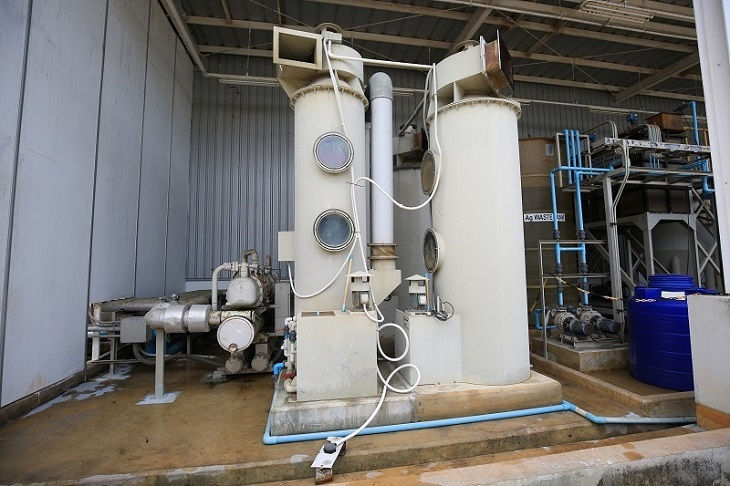
A dust collector is an integral mechanical system used widely in numerous industries. Its fundamental role is to improve the air quality produced by industrial and commercial processes. It achieves this by collecting dust and other impurities in the air or gas released from such processes.
Implicit in managing the air quality is the protection of both human health and the health of industrial equipment. Constant exposure to dust-filled air or working in such environments can lead to serious health consequences for factory and workshop workers. Similarly, airborne dust particles can interfere with the optimal running of machines, causing frequent breakdowns.
Why are Dust Collectors Vital to Industries?
Industrial dust collectors aren't just a nice-to-have item in manufacturing plants - they are indispensable assets that deliver enormous impacts. First, they enhance the quality of work environments, subsequently increasing worker productivity. Clean, dust-free air is not only healthier for workers but also contributes to their overall job satisfaction and efficiency.
Secondly, these machines save businesses hefty sums of money in maintenance costs. Machinery in factories suffers less damage and consequently needs fewer repairs when operating in environments with controlled dust levels. This translates to less downtime and increases overall productivity and profitability.
Pros and Cons of Industrial Dust Collectors
Everything has its advantages and disadvantages, and dust collectors are no exception. On the strongest pro side, dust collectors enhance the health and safety of workers by improving air quality. They also extend the lifespan of factory machines, which positively impacts the bottom line of businesses.
Nevertheless, upfront installation costs and maintenance expenses can be quite high for these systems. However, over time, these expenses can be offset by the significant benefits that accrue from their use.
How Dust Collectors Impact Efficiency in Industries
From protecting important machinery to fostering a safer and more productive work environment, dust collectors play an essential role in industrial efficiency. They reduce equipment downtime by preventing dust-induced malfunctions, translating to more production hours and robust outputs.
Dust collectors also contribute to increased machine life, reducing investments in new machinery or repairs. Through fostering healthier work environments, they also indirectly impact worker productivity positively.
Dust Collectors: A Sustainable Choice
In a time where businesses are being pushed to adopt sustainable practices, dust collectors prove to be environmentally friendly solutions. Their work ensures fewer pollutants make their way into our atmosphere, creating a cleaner and safer planet in the long run.
Future of Dust Collectors in Industries
With rising industrialization and the continuous need for cleaner and safer work environments, the future of dust collectors in the industrial scene looks promising. Advancements in technology will continue to improve the effectiveness and efficiency of these machines, bringing about a revolution in air cleaning.
Conclusion
In retrospect, dust collectors & dust extraction systems are much more than complex machines designated to clean air in industrial settings. They offer multifaceted benefits - from ensuring worker health and boosting their productivity to fostering machine longevity and overall industrial efficiency. Although initial setup and maintenance costs might seem steep, the plethora of benefits that come along with these systems makes them invaluable to industries.
As environmental concerns take center stage in today's world, dust collectors act as champions of a sustainable industrial future. Considering all these factors, it's safe to say that these systems have cemented their position as indispensable tools in our industrial landscape. It highlights the undeniable importance of dust collectors - a key contributor to industry efficiency, safety, sustainability, and ultimately, success.
Comments